Real Estate Law
Title deeds, leases, expropriation and real estate disputes.
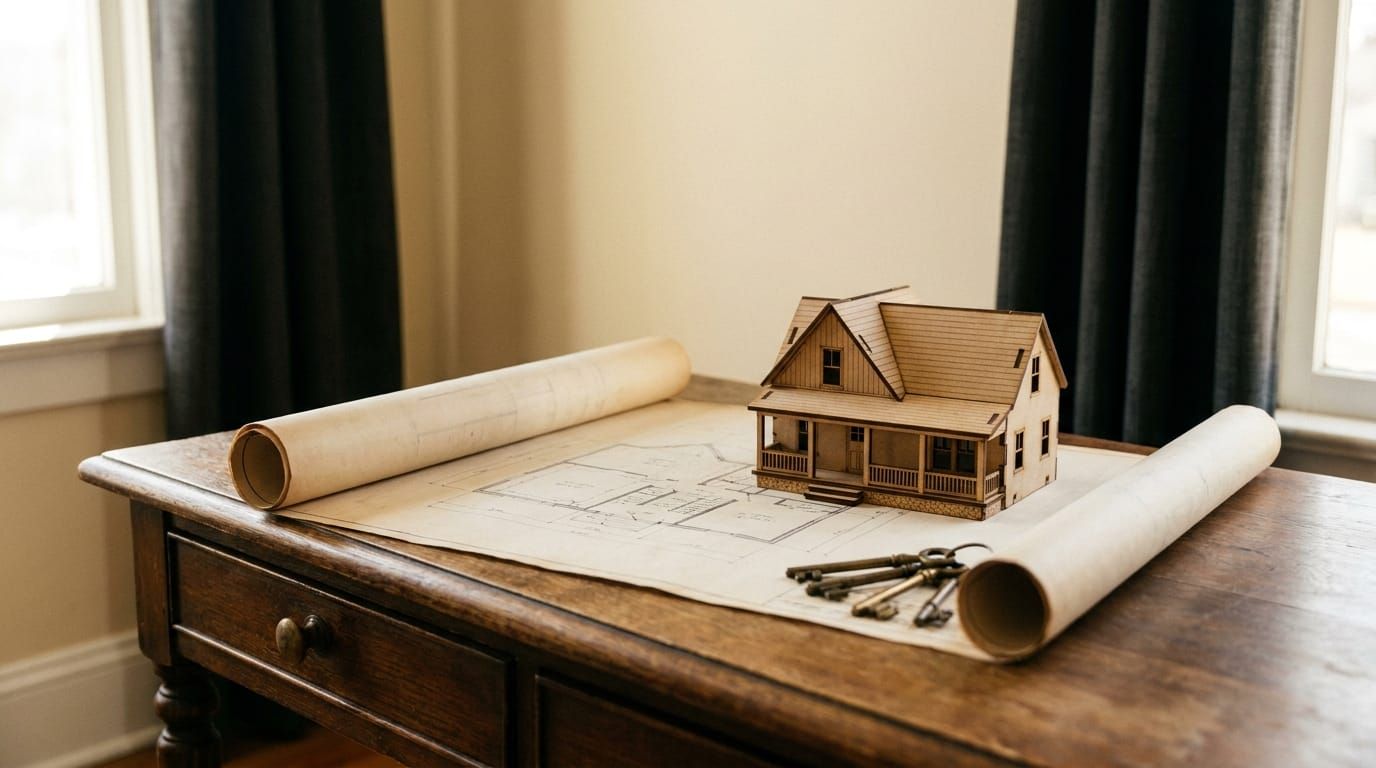
Real estate is often the largest investment of a lifetime. Conducting ownership, lease and title deed transactions with care prevents disputes that may arise in the future.
Disputes Concerning Real Estate
Real estate law covers a broad area arising from title deed, lease and ownership relationships. At the basis of the process lies the correct determination of the legal status of the property; the title deed record, zoning status and annotations must be examined carefully.
Principal Cases and Transactions
- Cancellation of title deed and registration: Improper registration, collusion against heirs (muris muvazaası) and ownership disputes.
- Lease disputes: Determination of rent, adaptation of the amount, eviction and deposit.
- Expropriation: Increase of compensation and de facto expropriation without expropriation procedure.
- Dissolution of joint ownership: Sale or partition of the property among co-owners.
Before Starting the Process
Before entering into a real estate transaction, examining the title deed and zoning records and drawing up contracts in written and clear form prevents disagreements that may arise later.
Frequently Asked Questions
Can I evict my tenant whenever I want? No; eviction is only possible on the grounds set out in the law and in accordance with the proper procedure.
What can I do if the owner shown in the title deed is not the actual owner? If the conditions are met, a cancellation of title deed and registration case may be pursued.
Principal matters addressed within this scope
- Cancellation of title deed and registration (tapu iptali ve tescil) cases
- Determination of rent, adaptation and eviction
- Expropriation (kamulaştırma) and de facto expropriation without expropriation procedure
- Dissolution of joint ownership (izale-i şuyu)
This content is for general information purposes and does not constitute legal opinion. It is recommended that you consult a lawyer for an assessment of your specific situation.